This checklist is for retailers, boutique owners and online sellers vetting a wholesale supplier before the first order. It covers the warning signs that come up most often, what to ask, and what a reasonable answer looks like. No single sign proves a supplier is dishonest, but two or three together are a good reason to walk away.
Red flags in the supplier’s identity
No verifiable business behind the website
A real wholesaler is a registered business. Ask for the legal company name and the state where it is registered, then look it up on that state’s business entity search (usually run by the Secretary of State). Check that the name, address and status match what the supplier told you.
- Red flag: the supplier will not give a legal name, or the registration is inactive or in a different name.
- Red flag: the only contact route is a web form or a messaging app; there is no business address or phone line.
- Red flag: the business address turns out to be a mailbox service while the supplier claims to run its own warehouse.
The website does not match the claims
Watch for sites created very recently that claim decades in business, stock photos used as “our warehouse”, or product photos copied from well-known brands. A reverse image search on a few product photos takes minutes.
Claims to be a manufacturer, but is not
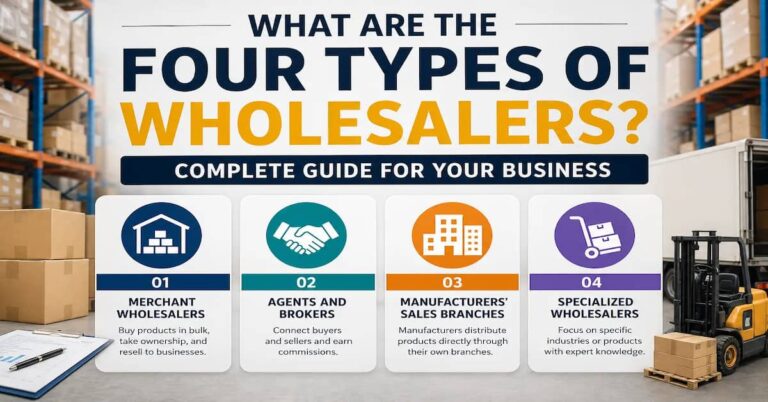
Many suppliers are importers or distributors, which is fine. The problem is a supplier who claims to manufacture but cannot describe its factory, production capacity or lead times. Ask directly: “Do you make this yourselves, or do you buy it in?” An honest distributor will say so.
Red flags in pricing and terms
Prices far below everyone else
Compare quotes from at least three suppliers for the same item. If one is far lower than the rest, ask why. Closeout and overstock goods can legitimately be cheap, but the supplier should explain the source and condition. Branded goods sold far below normal wholesale prices may be counterfeit or diverted stock that you cannot legally or safely resell.
Vague or changing terms
- No written minimum order, price list or quote
- Shipping costs only revealed after payment
- No written policy for damaged, short or wrong shipments
- Terms that change between the quote and the invoice
Ask for a written quote or pro forma invoice that shows unit price, quantity, shipping, payment terms and expected ship date before you pay.
No interest in your resale status
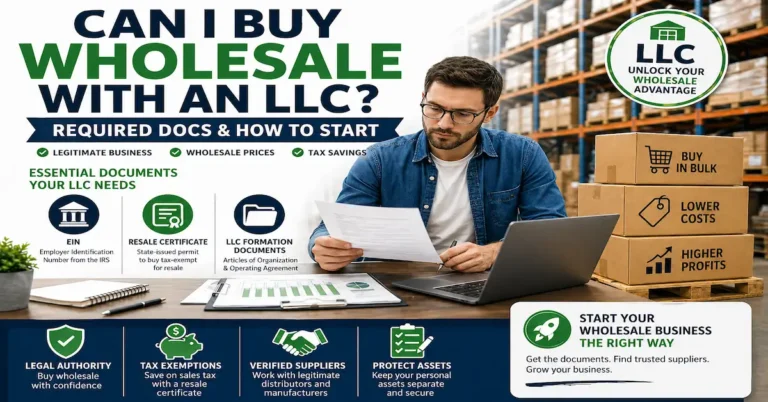
In the U.S., legitimate wholesalers usually ask for a resale certificate or tax ID before selling at wholesale prices without charging sales tax. Policies vary: some closeout sellers sell to anyone. But a supplier offering big-brand goods at wholesale with no account process at all deserves a second look.
Red flags in payment
- Pressure to pay immediately (“price only valid today”, “last pallet”).
- Payment to a personal account or to a name different from the company you are buying from.
- Insistence on hard-to-reverse methods such as wire transfer to a new account, gift cards or cryptocurrency, especially on a first order.
- Bank details that change by email. Always confirm a change of bank details by phone using a number you already have, not one given in the email.
For a first order, prefer payment methods that give you some recourse, such as a business credit card, and keep the order small.
Red flags in communication
- Will not answer specific questions about materials, origin, certifications or lead times
- Refuses samples, or refuses to sell a small trial quantity at any price
- Answers come from different names or email domains
- Will not provide a trade reference you can contact
Slow replies on their own are not proof of anything; small suppliers are often busy. Evasive replies are a bigger concern than slow ones.
Red flags in the product
- No compliance documents for regulated categories (for example, children’s product certificates, cosmetic ingredient lists, electrical safety certification)
- Samples noticeably better than the bulk shipment
- Labels missing country of origin, fiber content or care instructions where they are required
- Brand-name goods without proof of authorised supply
Check the first bulk shipment against the sample before you sell any of it, and report differences in writing straight away.
About listings on Suppliers Central
New listings are reviewed before they appear in the directory, but a listing is a starting point, not a substitute for your own checks.
Where to start looking
Browse suppliers by category, then run the checklist below on each one you shortlist: apparel and clothing, general merchandise, closeouts or Amazon FBA suppliers.
Supplier vetting checklist
- Legal company name obtained and checked against the state business registry
- Physical address and phone number confirmed
- Business type confirmed (manufacturer, importer, distributor, closeout seller)
- Written quote with unit price, minimum, shipping, payment terms and ship date
- Written policy for damaged, short or wrong shipments
- At least one trade reference contacted
- Sample received and checked
- Compliance documents received for regulated products
- First order kept small and paid by a method with recourse
- First bulk shipment checked against the sample before selling