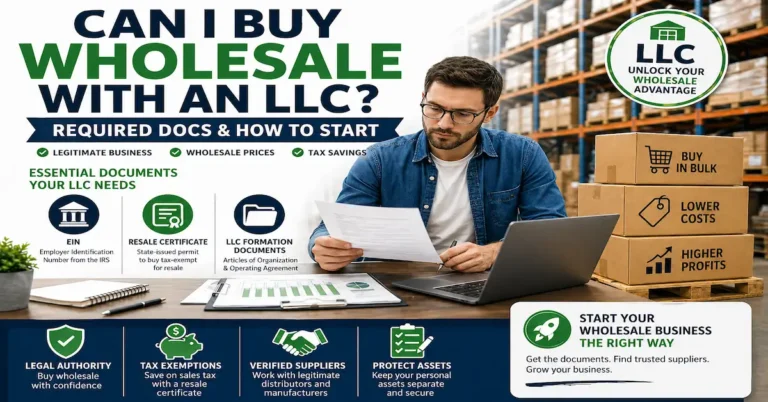
This guide is for store owners, boutiques and online sellers looking for wholesale suppliers in the USA. It explains the kinds of supplier you will come across, where to look, how to check a supplier before you pay, and what to agree before your first order.
Disclosure: Suppliers Central is our own directory. We mention it where it is relevant, and we also cover other places to find suppliers. Suppliers can list with us on a free plan or a paid yearly plan.
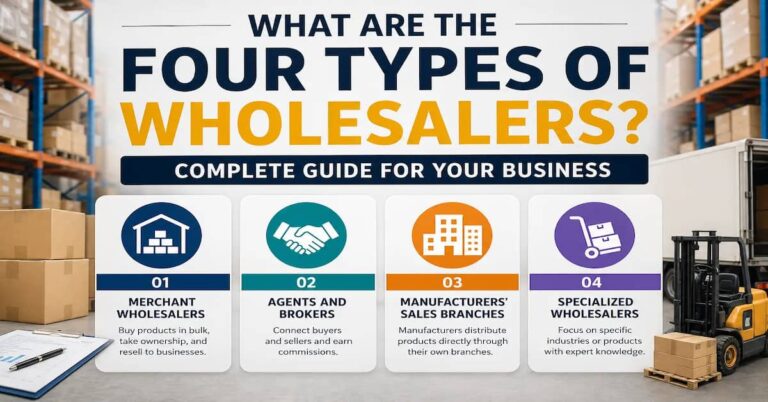
Types of wholesale suppliers
| Type | What they do | Good for |
|---|---|---|
| Manufacturer | Makes the product and sells it in bulk | Best unit price and custom or private-label options, usually with higher minimums |
| Distributor | Buys from many manufacturers and sells to retailers | Many brands in one account, lower minimums, faster delivery |
| Importer | Brings goods in from abroad and sells them in the US | Products you can’t easily buy from overseas factories yourself |
| Wholesaler or jobber | Buys stock from several sources and resells it in bulk | Variety and low prices; ask where the goods come from |
| Closeout or liquidation seller | Sells overstock, discontinued lines and returns | Discount stores and resellers who can handle mixed condition |
Where to look
- Wholesale directories. These list suppliers by category so you can compare several at once. Ours is organized by product category, for example Apparel and Clothing, General Merchandise and Closeout Suppliers. Wholesale Central is an older directory that is also worth checking.
- B2B marketplaces such as Faire, which focuses on independent brands and shops, or Alibaba for factory-direct sourcing, mostly from overseas.
- Trade shows. General merchandise and fashion shows in Las Vegas, New York and other cities let you see products and meet suppliers in person.
- Brand websites. Many brands have a “Wholesale” or “Become a retailer” page, or will tell you which distributors they use.
- Product packaging. “Distributed by” or “Imported by” lines often name the company to contact.
- Search. Try the product type plus “wholesale price list” and filetype:pdf to find catalogs that suppliers publish but don’t link from their homepage.
US-based or overseas?
Buying from a supplier that holds stock in the US usually costs more per unit than buying from an overseas factory, but you get faster delivery, smaller minimums, easier returns and no customs paperwork. Overseas sourcing can lower your unit cost, but you take on longer lead times, freight and duties, and more risk if the goods aren’t right. Many stores use both: domestic suppliers for fast-moving lines they reorder often, and overseas factories for larger planned orders once a product has proved it sells.
A few examples from our directory
These are in no particular order and cover different kinds of stock:
- Cotton Valley: household goods and general merchandise, based in New Jersey.
- BL Gifts Imports: a family-owned importer of giftware, novelties and souvenirs.
- Global Bite Co.: an importer and distributor of international snacks and drinks, based in Denver.
How to check a supplier
- Confirm the business is registered. Search the company name on the Secretary of State website for the state it says it is in.
- Check the address. Look at it in street view. A warehouse or office is a better sign than a house or a mailbox service.
- Call them. A real wholesaler answers the phone and can explain its minimums, lead times and terms.
- Check the website and email. A company email domain is a better sign than a free email account. A domain lookup shows how long the website has existed; compare that with how long they say they have been trading.
- Ask for references from other retailers, and search the company name with “reviews” or “complaints”.
- See whether they ask for your resale certificate. Real wholesalers sell to businesses, so most will ask.
Warning signs: prices far below every other source, pressure to pay today, stock photos only, no physical address, or payment only by methods you can’t trace or dispute.
New listings on Suppliers Central are reviewed before they go live, but a listing is a starting point. Run the checks above yourself before you pay.
What to agree before the first order
- Minimum order quantity (MOQ), and whether it is per item, per style or per order.
- Price breaks at higher quantities, so you know what reordering will cost.
- Payment terms. New accounts usually pay upfront. Net 30 terms, where you pay 30 days after invoice, are normally offered once you have an order history.
- Lead time, meaning how long from payment to dispatch, and the shipping method.
- Shipping terms. Find out who pays freight and, for imports, duties. FOB means you take over costs from an agreed point, and DDP means the supplier delivers with duties paid.
- Defects and returns. Get the policy for damaged, wrong or missing items in writing, including the time limit for reporting problems.
- Samples. Ask for a sample or a small first order before you commit to volume.
How to contact a supplier
Suppliers get many vague inquiries, so be specific. Say who you are, what kind of store you run, which products you are interested in, roughly how much you expect to buy, and that you have a resale certificate. Ask for their wholesale application, catalog or line sheet, MOQ and terms.
Checklist
- Decide which product categories you need.
- Build a shortlist from directories, marketplaces, trade shows and brand sites.
- Check each supplier’s registration, address, phone and references.
- Compare MOQ, prices, lead times and terms across at least three suppliers.
- Order samples or a small first order.
- Keep the suppliers that deliver what they promised, and reorder.