This guide is for resellers, Amazon FBA sellers and small retailers deciding what to stock next. Instead of a list of “hot” products with growth figures nobody can check, it gives you a way to test a trend yourself, then walks through product categories where the Suppliers Central directory has wholesale suppliers, with what to check before you buy in each.
First, test any trend claim yourself
Most “top trends” articles repeat each other. Before you put money into a category, check it against sources you can see:
- Search interest over time. Google Trends shows whether interest in a product term is rising, flat or seasonal. Compare at least five years so you can tell a trend from a yearly peak.
- Marketplace signals. Look at best-seller and new-release lists on the marketplaces you sell on, and how many sellers already list the same item.
- Official retail data. The U.S. Census Bureau publishes quarterly retail e-commerce sales. It shows the overall direction of online retail, not which product to sell, but it is a sound check against exaggerated market claims.
- Your own customers. Questions, requests and returns in your own store are the most reliable signal you have.
A trend is only useful to a reseller if three things are also true: you can buy it at a price that leaves margin, it ships without unusual cost or damage, and you can meet the rules that apply to it.
Categories to look at, and what to check
1. Beauty, cosmetics and fragrance
Small, light and repeat-purchase, which suits online selling. The catch is regulation: cosmetics sold in the U.S. are subject to FDA rules, including the requirements added by the Modernization of Cosmetics Regulation Act of 2022 (MoCRA). Buy from suppliers who can tell you who the responsible person is for each product and provide ingredient lists.
Where to source: beauty and cosmetic suppliers, for example Be In Beauty, LLC (hair care, salon tools and beauty accessories).
2. Baby and infant products
Steady demand, but many children’s products need third-party testing and a Children’s Product Certificate under CPSC rules. Ask every supplier for the certificate before you list the item.
Where to source: baby items suppliers, including Bambini Infant Wear (infant apparel and layette) and Infant Blanks (blank infant garments for printing or embroidery).
3. Phone and electronics accessories
Cases, chargers, cables and mounts are cheap to ship and frequently replaced. Quality varies widely, and chargers and batteries carry safety risk. Ask for safety certification for anything that plugs in, and test samples before buying a full case.
Where to source: cell phone accessories suppliers.
4. Candles, incense and home fragrance
Good for gift shops and boutiques because they suit bundling and seasonal displays. Fragrance oils and candles can be restricted for some shipping methods, so check with your carrier and marketplace before listing.
Where to source: candle suppliers.
5. Closeouts and overstock
Not a product trend but a way of buying: overstock, shelf pulls and customer returns sold by the case or pallet. Margins can be good, but condition and mix vary by lot. Read each supplier’s description of grading and their return policy before buying.
Where to source: closeout suppliers.
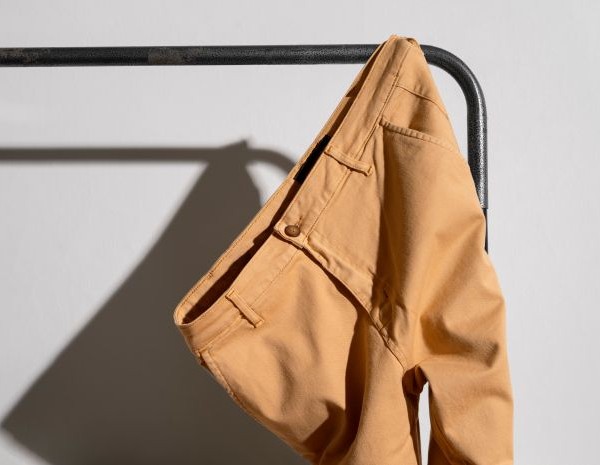
6. Blank and customisable apparel
Blank hoodies, tees and caps let you add your own print or embroidery and sell under your own name. You take on more work (design, decoration, labelling) in return for a product competitors cannot copy exactly.
Where to source: apparel and clothing suppliers.
7. Products marketed as “Made in USA”
Some buyers prefer domestic goods. If you advertise a product as made in the USA, the FTC expects it to be “all or virtually all” made here; see the FTC guide Complying with the Made in USA Standard. Ask the supplier how they support the claim before you repeat it.
Where to source: Made in USA suppliers.
8. Eco and reusable products
Reusable bags, containers and household items are widely sold. Environmental claims such as “biodegradable” or “recyclable” need evidence behind them, so ask suppliers what certification or testing supports any claim printed on the product.
Where to source: general merchandise suppliers.
How to test a product before scaling
- Order samples from two or three suppliers and compare quality, packaging and how the product arrives.
- Work out your landed cost per unit: product, freight, any prep or labelling, and marketplace or payment fees.
- Buy the smallest quantity the supplier allows and list it.
- Track sell-through, returns and reviews for a full selling cycle before reordering larger quantities.
- Keep the supplier’s compliance documents on file for every product you sell.
Checklist before you buy into a trend
- Search interest checked over several years, not just the last few months
- Competition on your marketplace checked
- Landed cost leaves a margin you are happy with
- Regulations and shipping restrictions for the category understood
- Samples ordered and compared
- Supplier documents (certificates, ingredient lists, origin) on file