This guide is for boutique owners and online sellers buying clothing in bulk for resale. These are seven mistakes buyers often make with bulk wholesale clothing suppliers, and what to do instead.
Before you contact suppliers
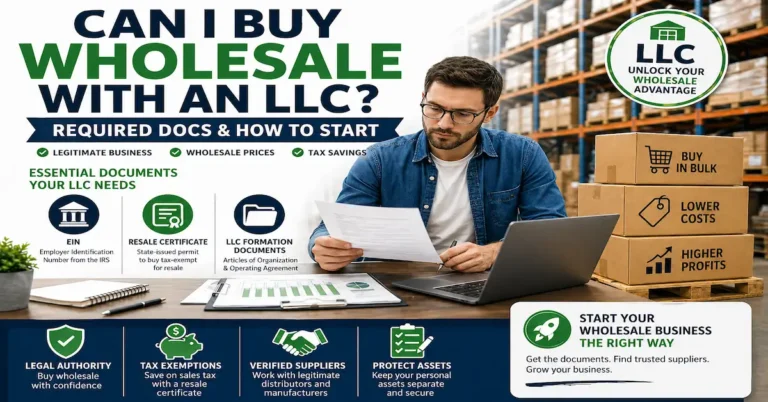
Most clothing wholesalers sell only to businesses. Have your business registration, resale certificate or seller’s permit, and a link to your store or social pages ready, because many will ask before they show prices or open an account. Know your customer, your price points and the categories you want, so you can ask specific questions instead of requesting a whole catalog.
1. Buying on unit price alone
A very low price per piece often means thin fabric, weak seams or poor finishing, which turns into returns and bad reviews. Compare suppliers on what you are getting, not just the price.
- Fabric content. Ask for the exact fiber blend, for example 100% cotton or 60/40 cotton-polyester.
- Fabric weight. For knits such as T-shirts and hoodies, ask for the weight in GSM (grams per square meter). A higher number means a heavier fabric. Compare GSM between suppliers for similar items.
- Construction. Check stitching, hems, zippers and how prints or embellishments are attached.
- Real photos. Ask for photos of the actual stock in normal light, not only styled model shots.
2. Not knowing who you are buying from
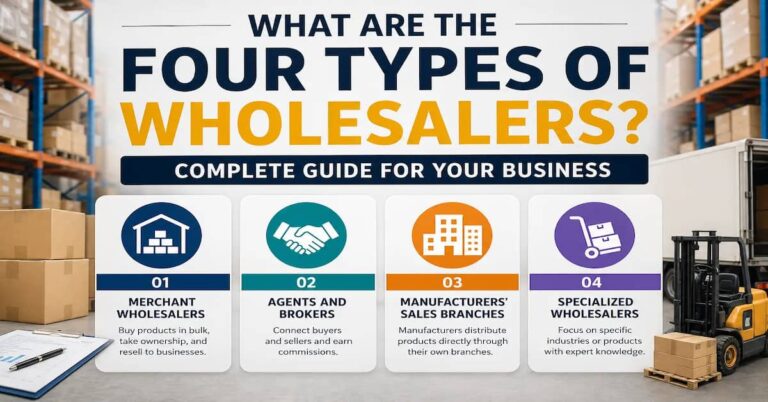
A clothing “wholesaler” could be the brand or manufacturer, a fashion district showroom selling several labels, an importer, or a reseller buying from someone else. Each step in the chain adds cost and makes problems harder to fix. Ask directly whether they design and produce the goods, and where the goods are made.
Before you pay, check that the business is registered (search its name on the Secretary of State website for its state), that the address is a real business premises, and that someone answers the phone. Be wary of a new supplier that accepts only payment methods you can’t trace or dispute.
3. Trusting size labels
“Small”, “Medium” and “One size” mean different things from one supplier to the next, and especially between countries. Clothes made for one market can run small or large in another.
- Ask for a size chart with garment measurements in inches or centimeters, not just letter sizes.
- Measure the sample against the chart.
- Check which sizes your customers actually buy, and whether the supplier offers extended sizes if you need them.
4. Ignoring how the clothing is packed and sold
Many fashion wholesalers sell by the prepack: a fixed bundle of one style in a set size ratio, such as 2 Small, 2 Medium and 2 Large. That suits some stores and leaves others stuck with sizes they can’t sell.
- Ask for the pack breakdown for every style before you order.
- Ask whether they sell open stock (single sizes) and what the minimum is.
- Check whether the minimum order is per style, per color or per order.
- Get the agreed minimum and prices in writing.
5. Ordering too late for the season
Clothing is seasonal. If summer stock arrives when summer is ending, you sell it at a discount or not at all.
- Ask whether the style is ready to ship (in stock now) or pre-order (made after you order).
- For pre-orders, ask for the production time and the shipping time separately, then add a buffer.
- For imports, find out who handles customs and duties, and include those costs in your price.
6. Skipping the sample
A sample costs far less than a full order you can’t sell. When it arrives:
- Check the fabric, stitching and fit against the description and size chart.
- Wash it as the care label says, then check for shrinking, fading and twisted seams.
- Check the labels. In the US, most clothing needs labels showing fiber content, country of origin and the maker or seller, under the FTC’s Textile rules, plus care instructions under the Care Labeling Rule.
A supplier that won’t sell you a sample or a small first order is a supplier to approach with care.
7. Not tracking stock by size and color
If you don’t know what you have left in each size and color, you oversell, cancel orders and reorder the wrong things. Track every SKU down to size and color, sync stock across every place you sell, and look at what sold before you reorder. A spreadsheet works when you are small; inventory software helps as you grow.
Clothing suppliers in our directory
These listings are in no particular order. Use the checks above with each one.
- CC Wholesale Clothing: women’s apparel, outerwear, activewear and seasonal collections.
- Verte Wholesale: Los Angeles women’s fashion, including dresses, tops, sets and occasionwear.
- Taelynn: Los Angeles contemporary women’s fashion for boutiques.
- Alabama Wholesale Socks: a sock manufacturer and supplier based in Alabama.
Browse the full Apparel and Clothing category for more.
Checklist before your next clothing order
- Confirm who the supplier is and that the business is real.
- Get fabric content, GSM and a measured size chart.
- Get the pack breakdown, minimums and prices in writing.
- Confirm ready-to-ship or pre-order, and the delivery date.
- Order a sample, wash it and check the labels.
- Set up stock tracking by size and color before the goods arrive.