Selling on Amazon FBA is not same as it was few years ago. In 2026, things is much harder. Many sellers think they can just find any supplier on Google and start making money. But then they get their account suspended or lose all their cash. I see many people making same mistakes every day. If you want to survive in USA, UK, or UAE markets, you need to change how you work with wholesale suppliers.
Here is 7 mistakes I see most often and how you can fix them to keep your business running.
1. Buying from "Middlemen" Instead of Real Wholesalers
This is biggest mistake. Many websites say they are wholesalers, but they is just retail stores with a fancy name. If you buy from them, your profit is very small. Also, Amazon will not accept their invoices. When Amazon ask for proof of where you got your Apple Watch or Samsung smart watch, and you show a receipt from a middleman, they will ban you.
Actually, at Suppliers Central, we see this all the time. We reject about 80% of supplier applicants because they are not real wholesalers. We only want the real ones.
The Fix: Always verify your supplier. Real wholesalers have a warehouse and they give you a proper tax invoice. Don't just trust a nice website. Use a vetted directory like Suppliers Central where the hard work of checking is already done for you.
2. Not Getting Proper Documents for Beauty and K-Beauty
Beauty is a huge category in 2026. Everyone wants K-beauty or high-end brands. But Amazon is very strict here. If you try to sell Dior lipstick without the right papers, you are in big trouble. Many suppliers say they have the brands but they don't give you the "Letter of Authorization" or clean invoices that Amazon wants.
The Fix: You must work with specialists. For anything beauty or cosmetics, you should look at Peacock Wholesale. They is very good because they have over 500+ brands. The best part is they provide DDP shipping (delivered duty paid), so you don't worry about custom duty. They also give you full documentation and invoices that Amazon loves. This is very important if you are selling in UAE or UK where customs is tricky.
3. Buying Too Many Liquidation Pallets Without a Plan
Liquidation pallets is very popular because they is cheap. You see boxes of clothing or kitchen gadgets and think you will get rich. But 2026 data shows that 40% of items in "untested" pallets is actually broken or junk. If you send bad items to FBA, your "Account Health" will drop.
The Fix: Don't put all your money in liquidation. Use it as a small part of your business. If you buy liquidation, make sure you check every item before sending to Amazon. Or, stick to "Manifested" pallets where you know exactly what is inside. For steady growth, real wholesale is better than gambling on pallets.
4. Forgetting the New 2026 Amazon Fees
Amazon changed their fees again this year. They have new "Inbound Placement Fees" and storage fees for products that don't move fast. Many sellers calculate their profit based on last year's numbers. Then they realize they are losing money on every sale of jewelry or small electronics.
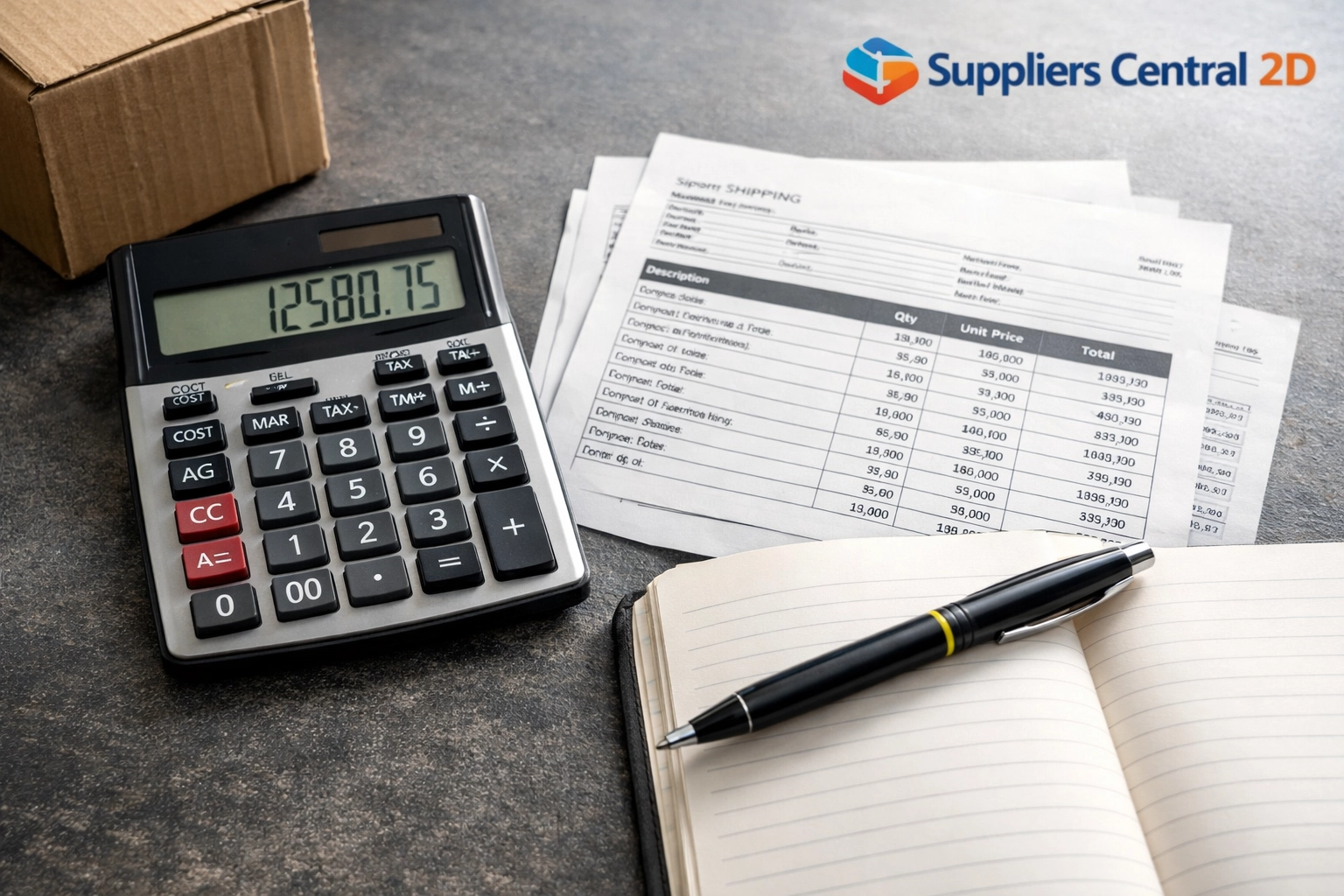
The Fix: You must use a 2026 profit calculator. Factor in the cost of shipping to different warehouses. Sometimes it is cheaper to pay the placement fee than to ship 5 different boxes to 5 different states. Also, check your "Inventory Storage Utilization Surcharge" if you have too much stock.
5. Not Checking if the Supplier is Your Competitor
I seen this happen many times. A seller finds a great supplier for oats or fat fighting foods. The price is good. But then, the supplier themselves starts selling on the same Amazon listing for $1 cheaper. You can never beat them because they own the product.
The Fix: Before you buy, go to Amazon and look at the "Other Sellers" list. Use tools like Keepa to see if the brand or the distributor is always on the listing. If the brand is selling it themselves, stay away. Look for "Brand Neutral" wholesalers on Suppliers Central who don't want to compete with their own customers.
6. Ignoring the UAE and UK Markets
Most people only focus on USA. But in 2026, the UAE market is growing very fast: almost 18% growth this year alone! The competition in UAE is much lower than USA. If you can find a supplier who ships there, you can make more margin.
The Fix: Start looking at global sourcing. If you are in the UK, look for local suppliers who understand VAT. If you are targeting UAE, use someone like Peacock Wholesale because they handle the DDP shipping. You don't want your goods stuck in Dubai customs for three weeks because you didn't have the right paperwork.
7. Thinking Small and Not Building Relationships
Many new sellers treat wholesalers like a vending machine. They just send one email asking for a price list. Real wholesalers get 100 emails like this every day. They ignore most of them. If you don't sound professional, they won't give you the best "Tier 1" pricing.
The Fix: Call them on the phone. Show them you have a real business. Tell them about your plans to grow. When you use Suppliers Central, you can see which suppliers is open to new sellers and which ones need a big opening order. Building a relationship might get you 5% or 10% discount later, which is huge for your profit.
Summary of What to Do Now
If you are making these mistakes, don't worry. Even big sellers make them. But you need to fix them fast.
- Stop using random Google searches for suppliers. Use a trusted directory like Suppliers Central.
- If you sell beauty, go to Peacock Wholesale. They solve all the invoice and shipping problems for you.
- Check your 2026 fees. Don't guess your profit.
- Look at iPhone 15 pro max accessories or Drew Barrymore appliances but always check who else is selling them first.
Selling on Amazon is still a great business in 2026, but only for people who do it right. Be smart about your sourcing, keep your invoices clean, and always verify who you are giving your money to. If a deal looks too good to be true, like injured gadgets being sold as new, it probably is. Stick to the vetted pros and you will be fine.