Starting wholesale buying in 2026 is not easy task. Too many scammers, fake suppliers, and bad quality products everywhere. I made lot of mistakes when I first started, so I writing this to help you avoid same problems.
Here is 10 things you must know before you spend your money on wholesale suppliers.
1. Check If The Supplier Is Actually Real
First thing – always verify the supplier is legitimate business. Not just some guy with website.
Go to official government websites. In USA, check Secretary of State website. UK has Companies House. Even China got National Enterprise Credit Information Publicity System. You want real business registration papers, not fake documents.
Also check the physical address. Don't trust Google Maps screenshots – suppliers can fake those easy. Use satellite view on Google Maps or even call local business directories to confirm someone actually working at that location.
Real suppliers have history. They been in business for years, they got phone numbers that actually work, they respond to emails within 24 hours.
2. Know The Different Types Of Suppliers
Not all suppliers is same. You got three main types:
Brand owners/manufacturers – These guys make the product. Best margins but they want big orders and they choosy about who they work with.
Authorized distributors – Middle people but legit. They got permission from brands to sell. Good option for smaller buyers.
Regular wholesalers – Buy from many places and resell. Wider product range but margins is lower.
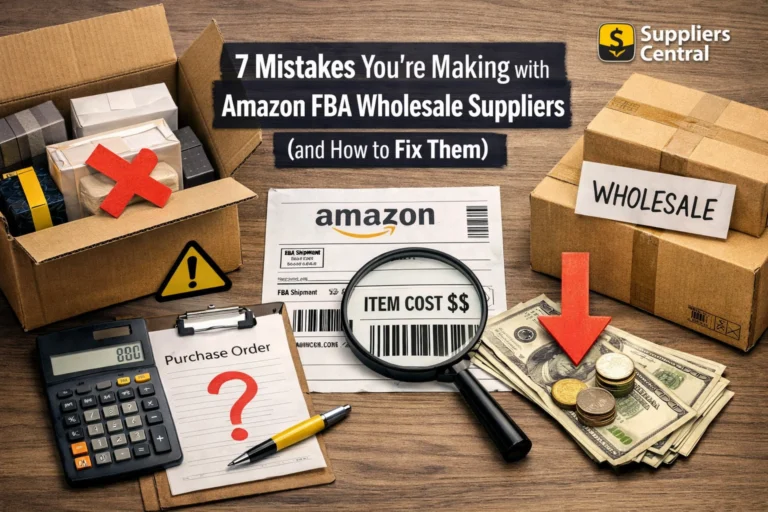
For Amazon FBA or selling branded products, you MUST get from brand owners or authorized distributors. Otherwise Amazon will suspend your account for authenticity issues. This happen to my friend in 2025 and he lost $8,000.
3. Learn To Spot Red Flags Fast
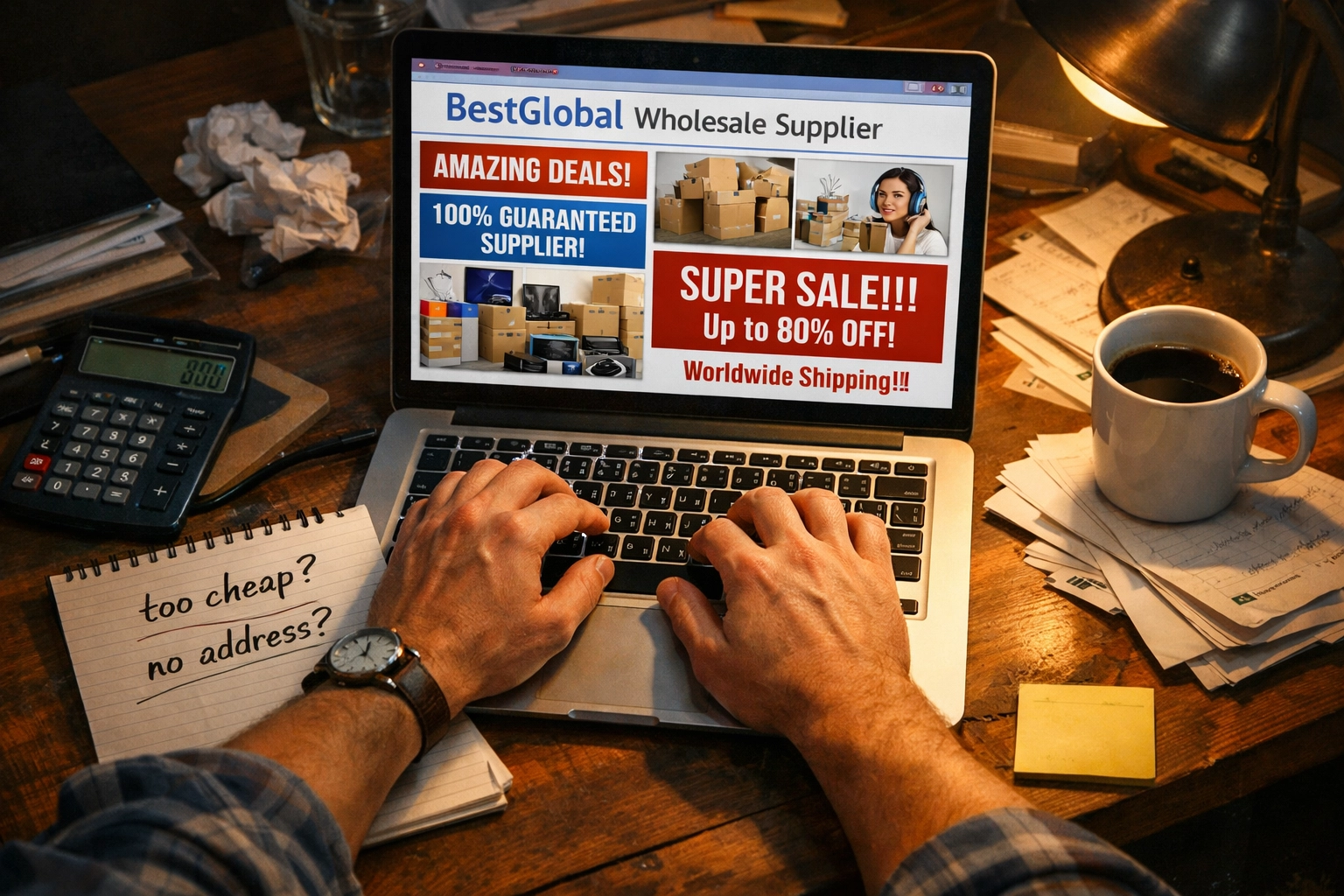
Some warning signs that supplier is probably scammer:
- They only accept wire transfer or Western Union payment (big red flag)
- Prices is way too cheap – like 70% below market price
- Using stock photos from internet instead of real product photos
- No physical address or only P.O. box
- Email is Gmail or Yahoo instead of company domain
- They pressure you to order immediately with "special limited time offer"
In 2026, scam suppliers getting smarter but these basics still work to catch most of them.
4. Write Down Exact Product Details You Need
Don't just say "I want to buy shoes." That too vague.
You need specific SKUs, sizes, colors, packaging type. If you selling in California, you need Prop 65 labels. If you shipping to UK, different voltage requirements for electronics.
Make Excel sheet with exact specifications:
- Product name and SKU
- Quantity per variant (size/color)
- Packaging (retail ready or bulk?)
- Compliance requirements
- Expected delivery date
Clear specifications reduce mistakes by almost 60% according to 2026 wholesale industry data.
5. Understand MOQ And Real Costs
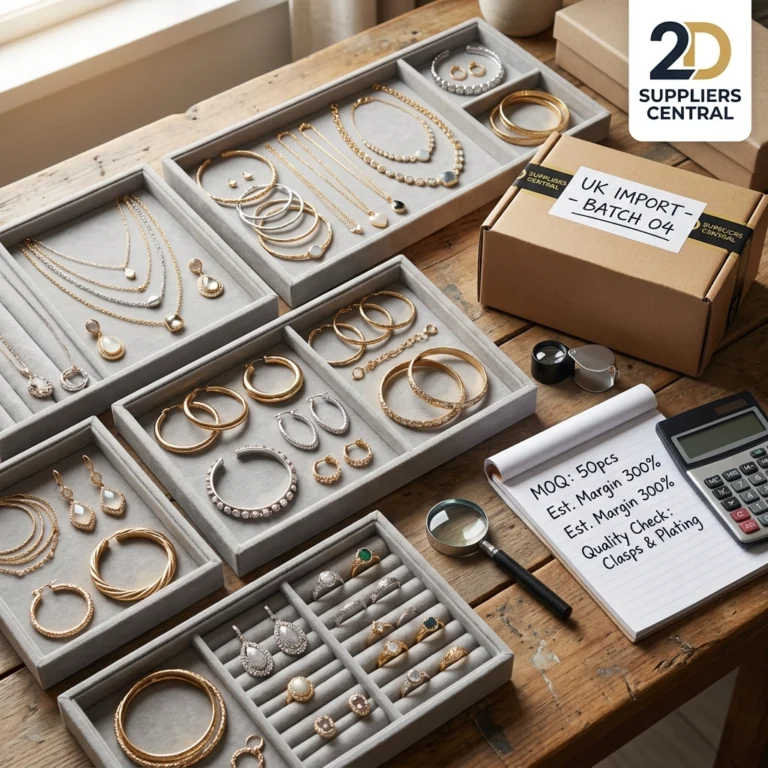
MOQ means Minimum Order Quantity. Every supplier got different requirements.
But MOQ is just start. You also need to calculate:
- Product cost per unit
- Shipping cost (DDP or FOB?)
- Platform fees if you selling on Amazon/eBay
- Storage fees
- Any membership fees the supplier charging
Use FBA calculator or profit calculator to find real landed cost. I seen too many beginners forget about shipping and then they realize they actually losing money on each sale.
Price breaks matter too. Maybe supplier charge $5 per unit for 100 pieces, but $3.50 per unit for 500 pieces. You need compare if bulk discount worth the extra investment.
6. Check Payment Terms Carefully
Good suppliers offer flexible payment options. They understand cash flow is important for small business.
Best suppliers in 2026 offering:
- Net 30 or Net 60 payment terms (pay after 30-60 days)
- Credit card payment option
- PayPal for smaller orders
- Escrow services for first-time large orders
Never pay 100% upfront unless supplier very established and you verified everything. Standard is 30% deposit and 70% before shipping.
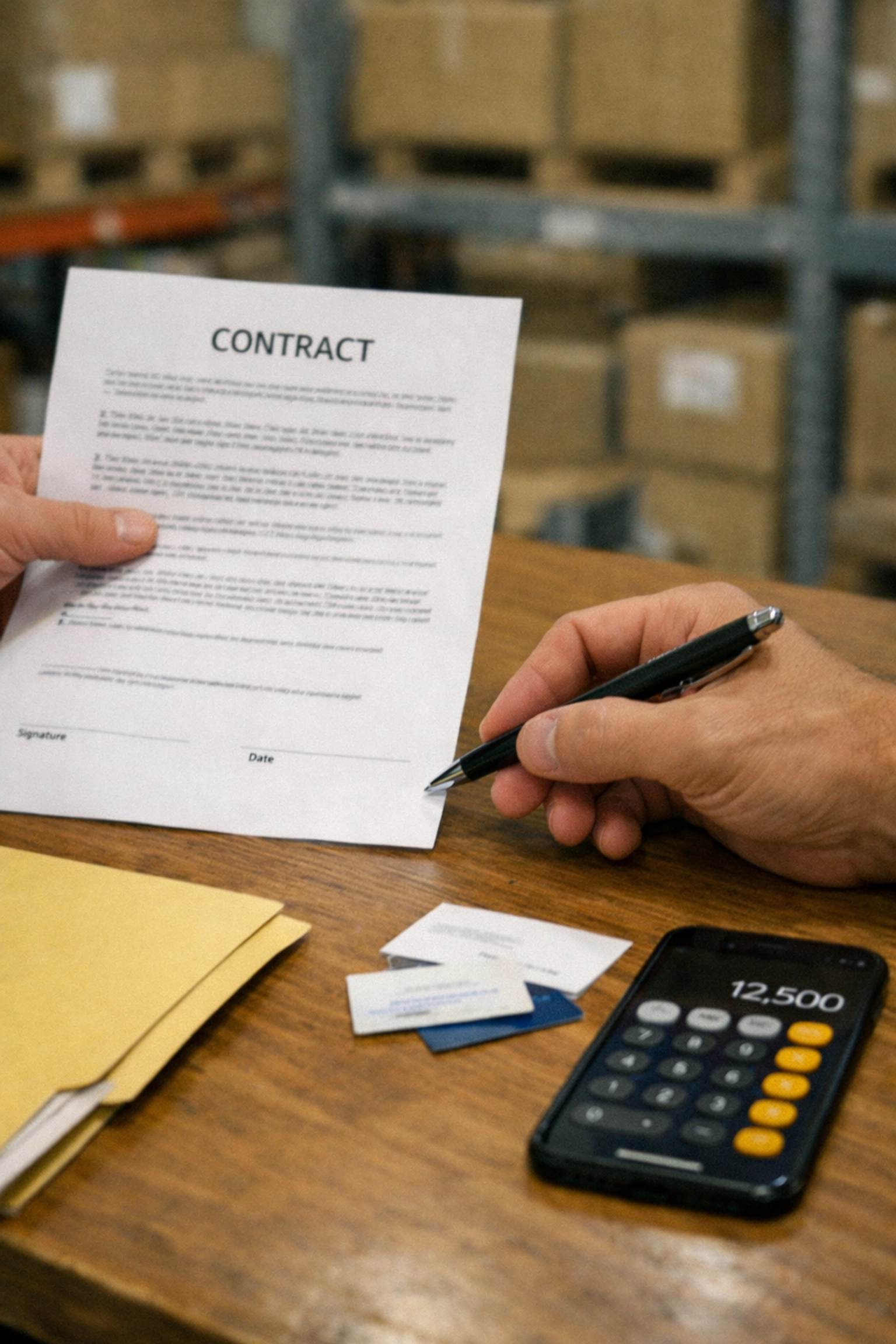
Get everything in writing. Contract should reference PO numbers and have clear terms about what happen if product is defective or wrong.
7. Test Communication Quality
Your supplier should reply fast and answer questions clearly. If they taking 3-4 days to reply during negotiation phase, imagine how slow they will be when real problem happen.
I always send test questions before placing order:
- What is lead time for this product?
- What shipping method you use?
- What happen if product arrive damaged?
- Can I get sample first?
Good supplier answer all questions professional and quick. Bad supplier give vague answers or get annoyed by questions.
Actually Suppliers Central reject about 80% of supplier applications because communication and verification standards is so strict. That why buyers trust the platform – only serious suppliers make it through.
8. Always Ask About Return Policy
Things go wrong in wholesale. Wrong product shipped, defective items, quality not matching sample. This normal in business.
Important part is how supplier handle problems.
Good return policy should cover:
- Defective products (supplier should replace or refund)
- Wrong items shipped (supplier pay return shipping)
- Quality issues (clear process for complaints)
- Time limit for returns (usually 7-14 days)
Get this policy in writing before you place order. Verbal promises don't mean nothing when you got $5,000 of bad inventory.
9. Verify Platform Compliance
If you selling on Amazon, Walmart, or other platforms, supplier need to provide proper documentation.
For Amazon FBA specifically in 2026:
- Invoice with supplier name matching bank transfer
- Brand authorization letters for branded products
- Full product documentation
- Compliance certificates (if required)
For beauty and cosmetics buyers, Peacock Wholesale is excellent choice. They got 500+ beauty brands, DDP shipping (no surprise custom duty charges), and they provide full documentation and invoices perfect for Amazon. They specializing in K-beauty and Korean cosmetics too which is huge trend in 2026.
Regular suppliers often can't provide proper paperwork and that cause account suspension. Platform compliance is serious matter in 2026.
10. Use Multiple Ways To Find Suppliers
Don't rely on just one method for finding suppliers. I use combination:
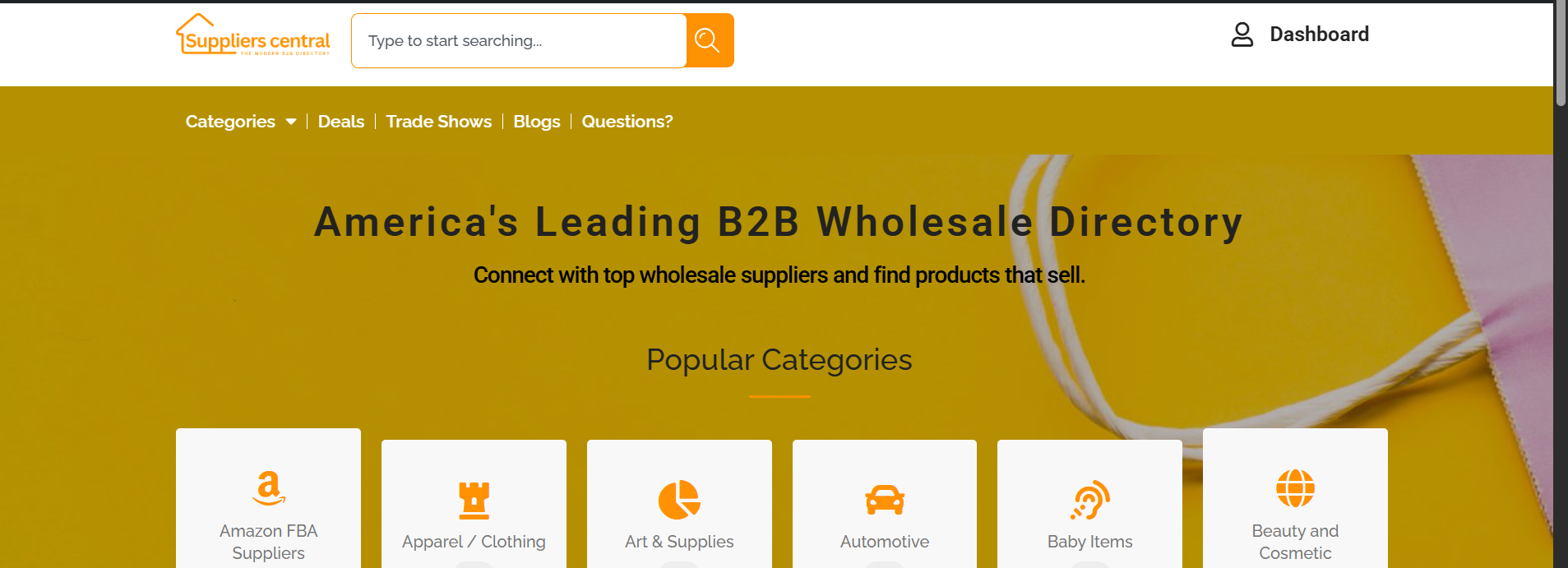
Online B2B marketplaces – Suppliers Central is commission-free and all suppliers is vetted. Much better than old directories that let anyone list.
Google search tricks – Try "product name + wholesale + filetype:pdf" or "filetype:xls" to find actual catalogs instead of just websites.
Trade shows – Still valuable in 2026 for meeting suppliers face-to-face.
Competitor research – Look at "Sold by" on Amazon or check packaging for distributor names.
Industry forums and Facebook groups – Real buyers share real experiences.
According to 2026 sourcing data, comparing 3-5 vetted suppliers before choosing reduce fulfillment problems by 41% and cut quality returns by 57%.
Final Thoughts
Finding good wholesale supplier take time and research. No shortcuts here.
Start small with sample orders. Test quality, communication, and shipping speed before placing big order. Build relationship slowly.
Most important – verify everything yourself. Don't trust just website or sales pitch. Get documentation, check references, confirm business registration.
The wholesale business getting more competitive in 2026 but also more transparent. Use platforms like Suppliers Central that already did verification work. Focus on building long-term supplier relationships instead of chasing cheapest price.
And remember – if deal sounds too good to be true, it probably is scam. Trust your instinct and always do proper due diligence.
Good luck with your wholesale business in 2026!