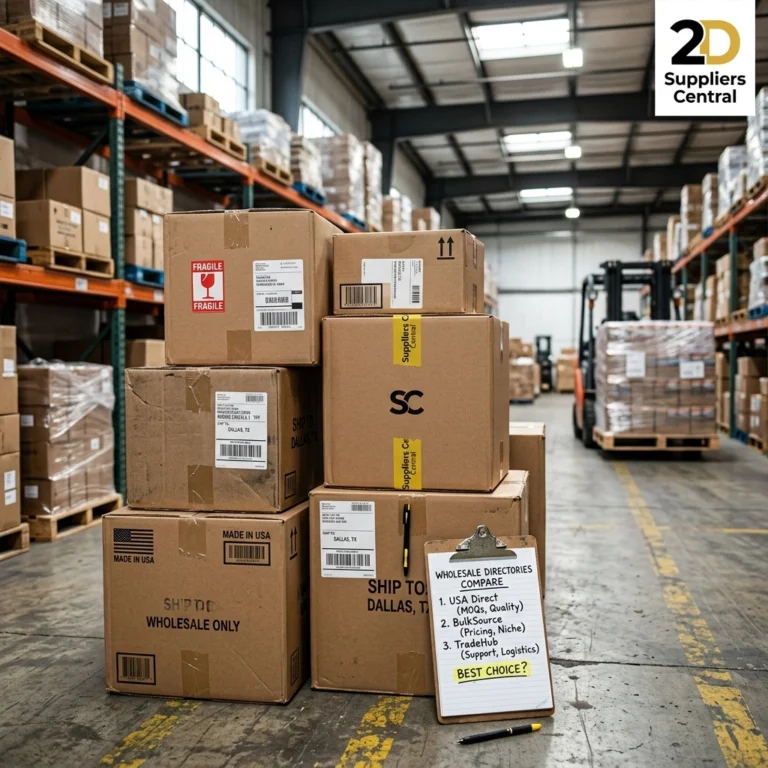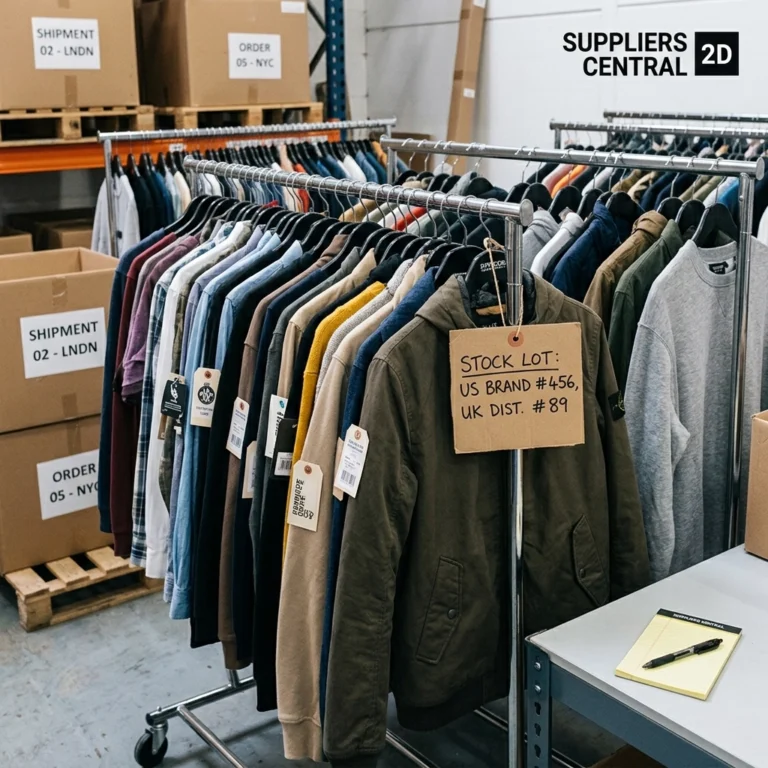
Selling on Amazon wholesale in 2026 is not like it was three years ago. Many seller think they can just open account, download a price list, and make millions. But the competition in USA, UK, and UAE is very high now. If you make small mistakes, Amazon will close your account or you will lose all your money.
I see many people failing because they follow old advice from 2022. At Suppliers Central, we talk to hundreds of wholesalers every month. We actually reject about 80% of supplier who try to join our directory because they are not good enough for Amazon sellers.
Here are the 7 big mistakes you are making right now and how to fix them so you can actually make profit this year.
1. Expecting "Tier A" Pricing on Your First Order
This is the biggest mistake. New sellers get a price list, look at the "Unit Price," and see that after Amazon fees, there is no profit. Then they quit.
In 2026, big wholesalers use AI to manage their customers. They put new accounts into "Tier C." This is the highest price. They do this because they don't know if you are serious buyer or just someone wasting their time.
How to fix it:
You must place a "test order" even if profit is very small or zero. This proves you are a real business. Once you order three or four times, you can ask for Tier B or Tier A pricing. Wholesalers like H.J. Closeouts or Dollar Empire want to see consistency. If you show them you are reliable, they give you the better deals that are not on the public website.
2. Sourcing from Saturated "Public" Lists
Many sellers go to old directories and find the same 10 suppliers that everyone else is using. If 500 other Amazon sellers are buying the same general merchandise from the same guy, the Buy Box price will crash to $0.01 profit in one week. This is called "race to the bottom."
How to fix it:
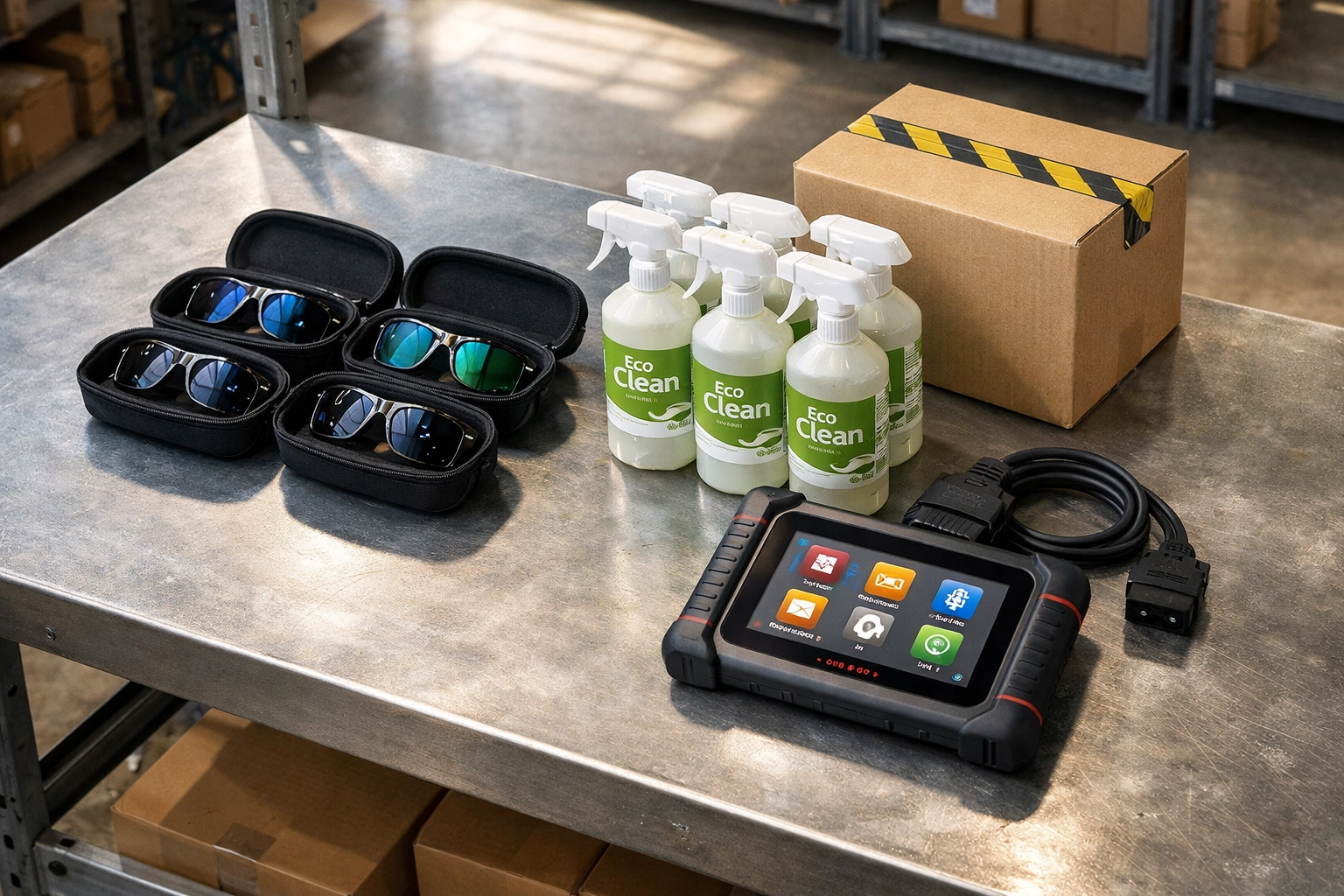
You need to find "hidden" suppliers. At Suppliers Central, we vet everyone to make sure they are real. You should also look for specific niches. For example, instead of just "toys," look for smoke shop supplies or CBD products. These categories have less competition from lazy sellers. Also, look for suppliers that specialize in one thing, like sunglasses or cleaning supplies.
3. Buying Beauty Products without Proper Documents
The Beauty and Cosmetics category is huge on Amazon in 2026. Everyone wants K-Beauty and luxury perfumes. But Amazon is very strict here. If you buy from a random guy on a telegram group or a "middleman" who cannot give you a real invoice, Amazon will ban you for "Authenticity" issues.
How to fix it:
If you are selling beauty, you must use a supplier like Peacock Wholesale. They are the kings of this. They have over 500 brands. The best part is they give you full documentation and invoices that Amazon actually accepts. Many suppliers say "we are wholesale" but their invoices are rejected. Peacock Wholesale is different. Also, for sellers in UAE or UK, they do DDP (Delivered Duty Paid) shipping. This means no surprise custom duty bills.
4. Not Checking "IP Complaints" Before Buying
In 2026, brand owners are very aggressive. They use automated software to file Intellectual Property (IP) complaints against anyone selling their products without permission. Even if your supplier is "legit," the brand might not want you on their listing.
How to fix it:
Before you buy 1,000 units of a brand from USA Less, use a tool to check the brand's history. If they file 10 complaints a month, stay away. Always ask your supplier for a "Letter of Authorization" (LOA). Real wholesalers like Lee's Trade or RM Wholesale understand this and will help you know if the brand is "Amazon friendly."
5. Ignoring International Markets (UK and UAE)
Most sellers only focus on USA. But the USA market is very crowded now. In 2026, the UAE market is growing very fast, and UK is still very strong for K-Beauty and specialty wellness products.
How to fix it:
Look for suppliers who can ship globally. If you are in USA, try selling in UAE. The margins are often 2x higher because there are fewer sellers. Again, using someone like Peacock Wholesale helps because they handle the shipping mess for you. If you don't want to do beauty, look into industrial items which have high demand in international markets but very few FBA sellers.
6. Thinking "Dropshipping" is Wholesale
I still see many "gurus" telling people to do wholesale dropshipping. This is a lie. Amazon FBA wholesale means you buy the inventory, it goes to a warehouse (or Amazon warehouse), and then it sells. If you are trying to have a supplier ship one item at a time to customers, you will get banned very fast in 2026.
How to fix it:
Buy in bulk. Use a Prep Center if you don't have a warehouse. Real wholesale is about volume. Use trusted names like Buy4Store to get your stock and send it to FBA.
7. Being Unprofessional in Communication
Wholesale is a "people business." If you send an email saying "Hi, give me price list," they will delete it. They get 100 emails like that every day from people who never buy anything.
How to fix it:
Use a professional business email (not @gmail.com). Tell them who you are, what is your company name, and your resale certificate number. Mention specific brands you are interested in. For example, if you contact Streamline Group, tell them exactly which categories you sell in. If you sound like a professional business, they will treat you like one and give you the "hidden" deals.
Summary of What to Do Now
- Get Vetted Suppliers: Stop using free lists that are 5 years old. Use Suppliers Central because we actually check the suppliers before listing them.
- Focus on Beauty: Use Peacock Wholesale for your cosmetics and skincare needs. They have 500+ brands and their invoices work for Amazon.
- Check the Paperwork: Always make sure your supplier can provide an invoice with your business name and address on it.
- Be Patient: Don't quit if the first price list is not profitable. Build the relationship.
The sellers who make the most money in 2026 are the ones who treat their suppliers like partners, not just a website to click and buy. If you fix these 7 mistakes, you will be ahead of 90% of other Amazon sellers.